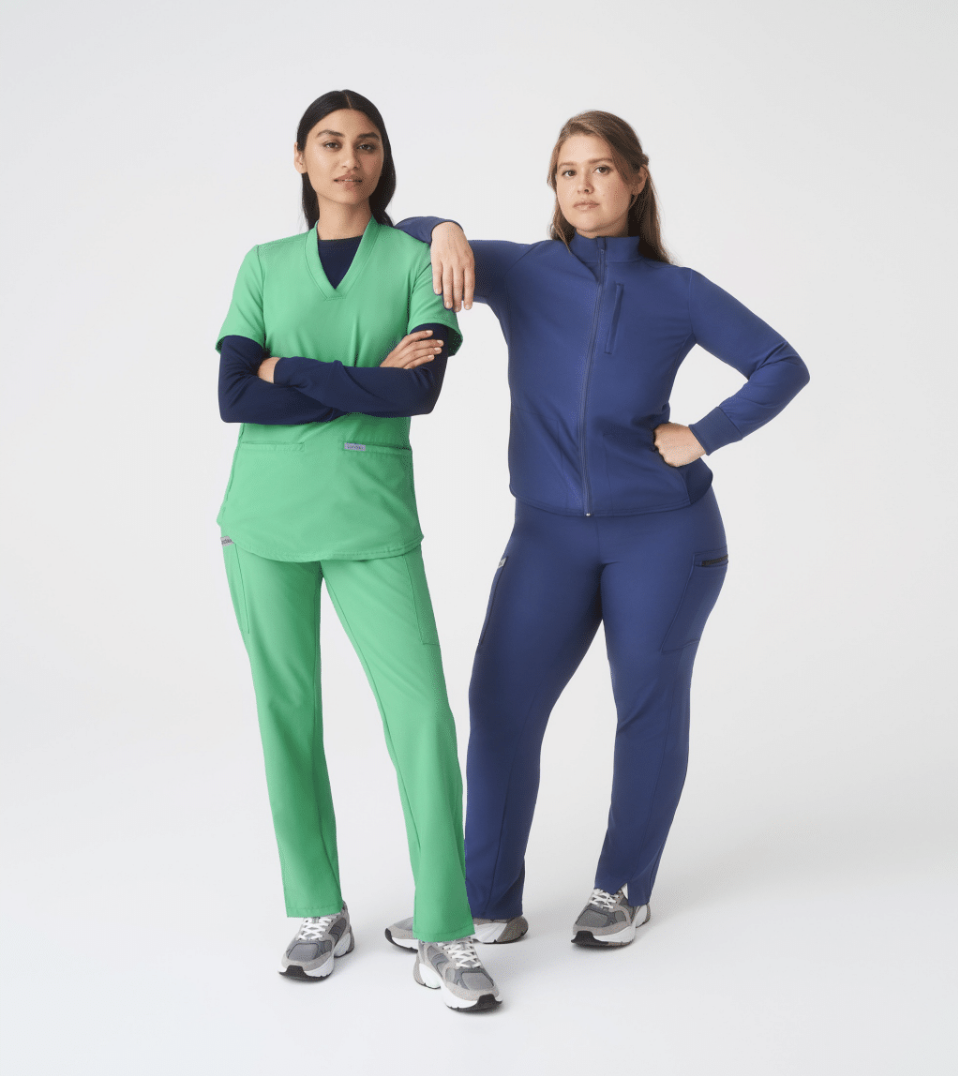

KINDTHREAD B2B MARKETING & SALES RESOURCES
CiCLO® Sustainable Textile Technology
CiCLO® is a sustainable textile technology designed to help reduce the environmental impact of synthetic microfiber pollution.
Fibers made with CiCLO® behave more like natural fibers when they inevitably shed during manufacturing, wear, and care — allowing them to biodegrade in environments where synthetic fibers normally persist indefinitely, such as wastewater sludge, soil, anaerobic landfill conditions, and seawater.


CiCLO Assets
Explore key materials to help you communicate the benefits of Landau Forward x CiCLO®.
Why It Matters
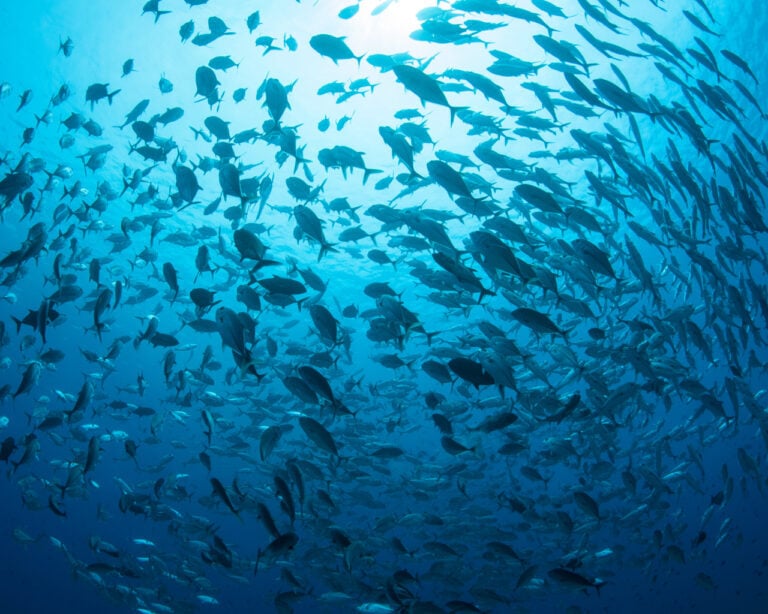
Over 60% of today’s textiles, including scrubs, are made from synthetic materials like polyester and nylon. These high-performance fibers are durable and easy-care — but they are also, by nature, plastic, and can remain in the environment indefinitely once shed as microfibers. CiCLO® helps address this global challenge by reducing the persistence of these synthetic microfibers, allowing natural microbes to break down the material over time.
Synthetic textile microfibers are the largest contributor of microplastic pollution in oceans, accounting for 35% of microplastics found globally. CiCLO® offers a science-backed, nature-based solution to help mitigate this impact.
How CiCLO® Works
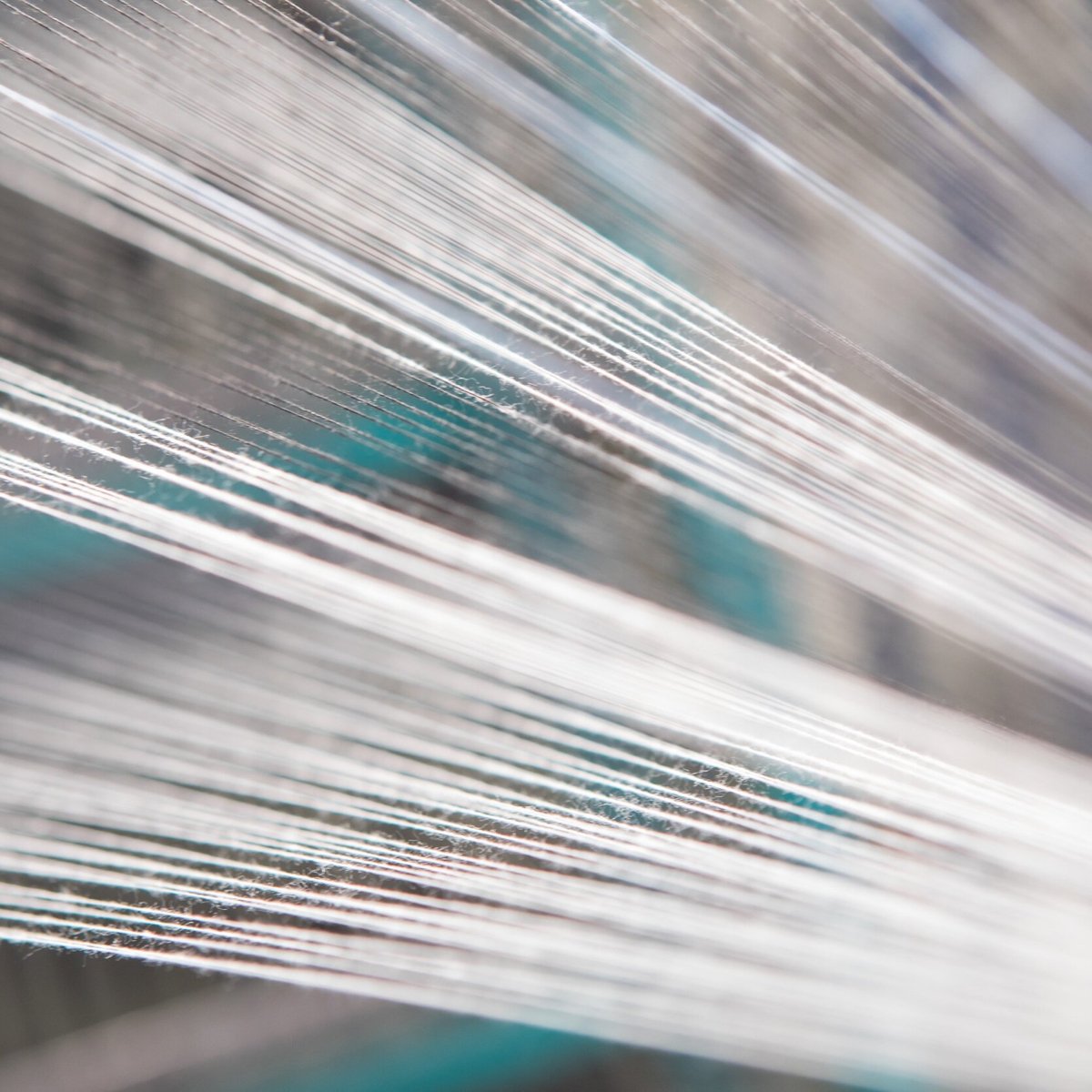
CiCLO® technology is blended into recycled or conventional polyester at the fiber level. This permanently embeds biodegradable pathways within the synthetic material. When CiCLO® fibers end up in environments where microbes naturally thrive — such as soil, sludge, or seawater — microbes can mineralize the material into natural elements like biogas, water, minerals, and biomass.
Despite this innovation, CiCLO® fabrics maintain the same quality, durability, and performance as traditional polyester with no changes during normal use, washing, or wear. They will not biodegrade in closets, washing machines, or during their useful life — similar to cotton or wool.
Environmental Benefits
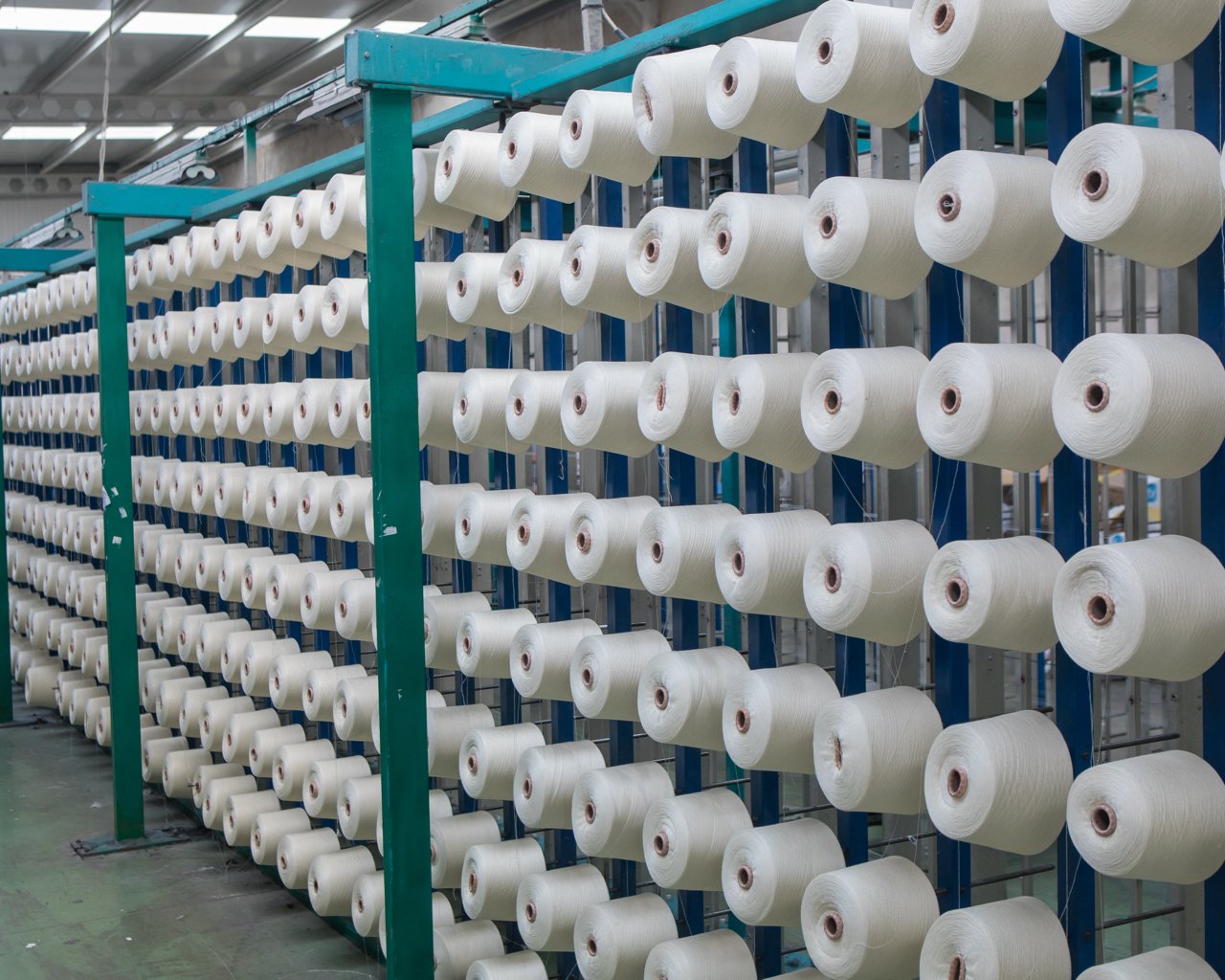
CiCLO® technology provides a meaningful sustainability advantage by:
- Reducing the persistence of synthetic microfibers that escape into the environment
- Helping polyester behave more like natural fibers when pollution occurs
- Supporting responsible, science-backed textile innovation
The Landau Forward line highlights CiCLO®’s core benefit:
“High performance. Reduced impact.”
CiCLO FAQs
Is CiCLO® Safe?
Yes — CiCLO® chemistry is thoroughly tested and certified.
- ECO PASSPORT by OEKO-TEX® certified
- REACH compliant
- Proven safe for marine life and human health
Will CiCLO® affect durability or product performance?
No. CiCLO® fabrics deliver the same durability, appearance, and performance as traditional synthetics throughout their useful life.
Will CiCLO® cause garments to biodegrade while being worn?
No. Like natural fibers (cotton, wool), CiCLO® only biodegrades in appropriate environmental conditions where microbes, moisture, and extended time are present.
What happens when CiCLO® biodegrades?
It breaks down into natural elements — biogas, water, minerals, and biomass — leaving nothing harmful behind.
Explore our B2B Marketing Resource Hub
Looking for more materials? Visit the Kindthread B2B Marketing Hub to access our full library of brand assets, campaign toolkits, pricing resources, product images, merchandising guides, and partner-ready downloads.
Product Matrices
Compare styles, colors, sizes, and fabric details for all collections.
Collection Overviews
High-level summaries of each collection.
Discontinued Lists
Easy-to-reference lists of discontinued styles and colors.
New Product Flyers
Concise, visually engaging flyers showcasing new styles
CiCLO Fabric Info
Information on our CiCLO® sustainable performance fabric.
Size Charts & Fit Guides
Accurate size specifications and fit details for all key styles.
Branding & Comms
Approved brand guidelines and communication tools.
Product Images
High-resolution product photography.


Place Orders & View Products
Access real-time product listings, inventory, and ordering tools through the Envoy platform.